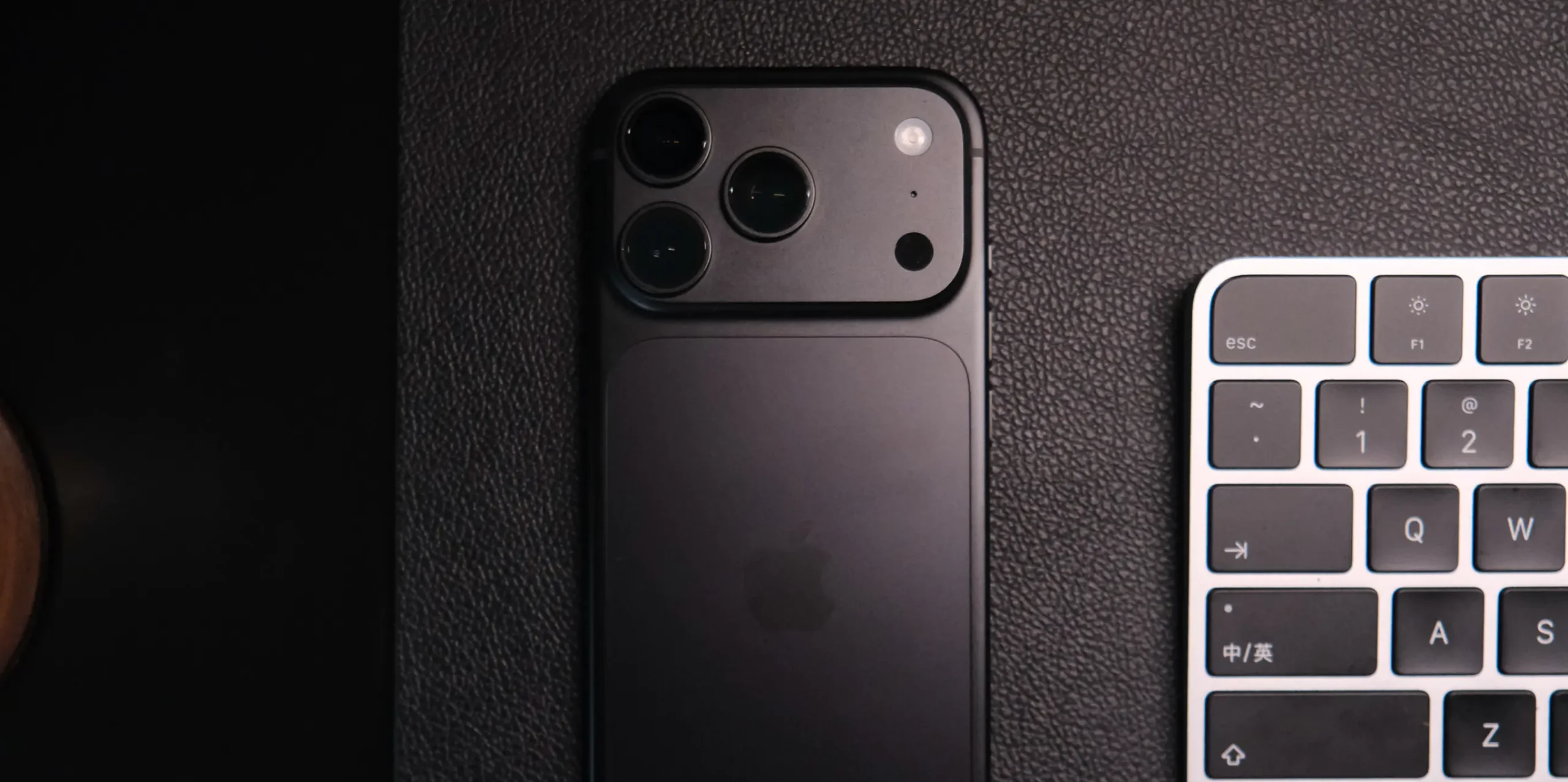
Following the comprehensive overhaul of the iPhone 17 Pro last year, the iPhone 18 Pro unsurprisingly shifts its focus to refinement—polishing the existing user experience while addressing the shortcomings of its predecessor.
At first glance, the changes to the iPhone 18 Pro are subtle; only the smaller Dynamic Island and a brand-new color option signal that this is indeed a new model. Yet, this goes beyond a typical “minor refresh.” This generation represents a comprehensive refinement of the Pro-level iPhone experience, featuring a main camera with a wider variable aperture, the powerful A-series chip built on the industry’s first 2nm process, and a next-generation vapor chamber that is three times the size of the previous version.
Consequently, while the iPhone 18 Pro may not offer the same sense of radical reinvention as the previous model, it delivers a more polished and complete experience across the board.
A familiar look, but with added heft
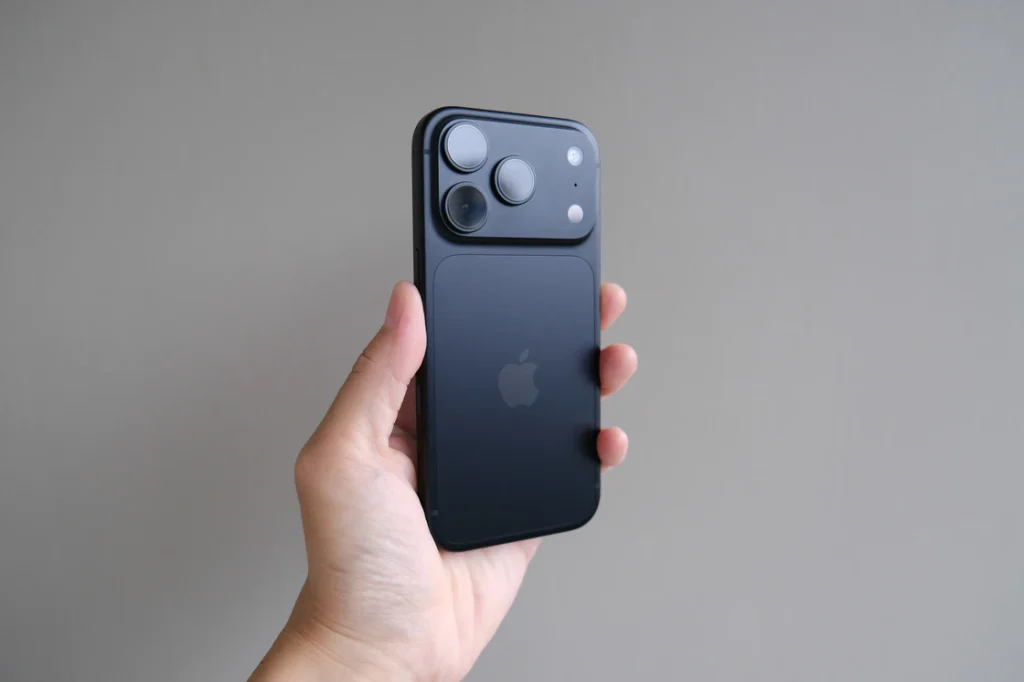
In terms of appearance, the iPhone 18 Pro is virtually identical to the iPhone 17 Pro: it retains the familiar unibody aluminum design, the extended platform spanning the back, and the Ceramic Shield panel embedded in the rear—all carrying over from the previous generation.
That said, there is one change to the iPhone 18 Pro that is impossible to ignore: its weight.
The weight of the iPhone 18 Pro has increased from the previous generation’s 204g to 211g. While an extra 7g might not sound like much, for a phone with unchanged dimensions—and one that was never exactly lightweight to begin with—it is a figure that cannot be overlooked. It is no exaggeration to say that the moment I picked it up, I could feel that the iPhone 18 Pro was heavier than its predecessor.
Turning to the iPhone 18 Pro Max, the numbers become even more striking: its weight jumped from 231g to 249g—an increase of a full 18g—meaning it weighs a hefty 250g (half a catty) even without a case.
Fortunately, this added weight buys the largest battery ever seen in an iPhone. While the iPhone 18 Pro saw only a modest increase from 3,988mAh to 4,056mAh, the iPhone 18 Pro Max jumped from 4,823mAh to 5,391mAh—a boost of nearly 12%. Not to mention the switch to a new-generation vapor chamber (VC) three times the size of the previous one, and the additional mechanical components required for the variable-aperture main camera; when you factor in all these changes, the increase in weight makes perfect sense.
As for colors, surprisingly, the popular “Cosmic Orange” from last year has been retired after just one season, replaced by Burgundy and Glacier Blue, while the classic Black has finally made a comeback. The silver model has also undergone changes; the Ceramic Shield panel on the back no longer appears white as it did on the previous generation, but has been switched to a silver-gray tone that more closely matches the aluminum body, creating a more visually unified look.
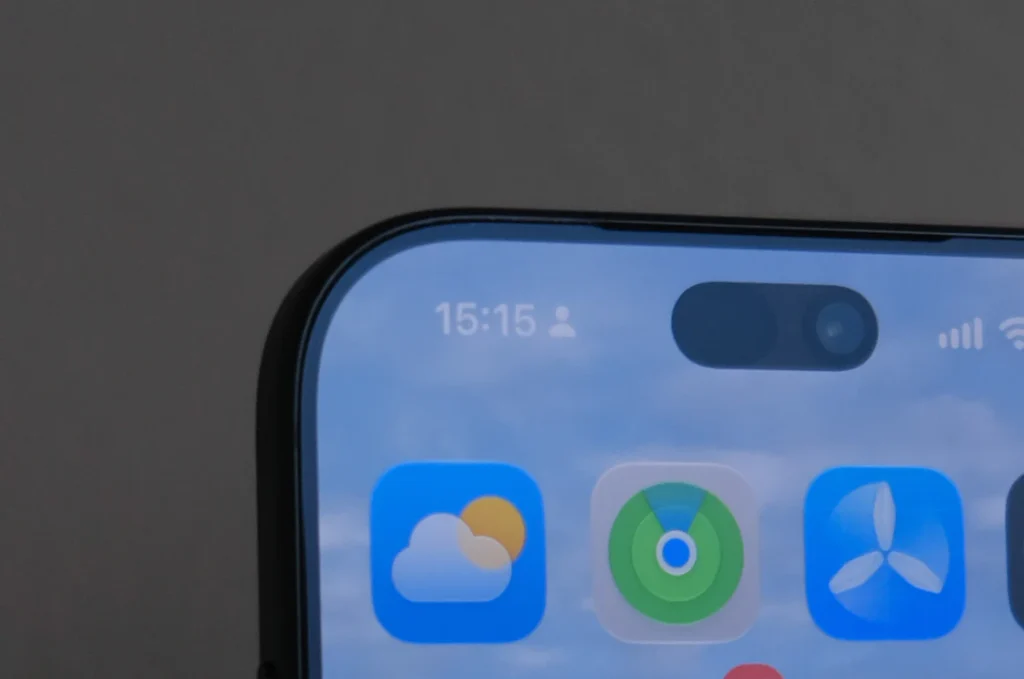
On the front of the iPhone 18 Pro, Apple has reduced the display area occupied by the TrueDepth camera system; when not displaying Live Activities, this black area is noticeably smaller than on previous models featuring the Dynamic Island. Thanks to this change, the Dynamic Island can now display up to three Live Activities simultaneously.
To achieve this, Apple relocated the infrared camera within the TrueDepth system from the central cutout to the upper-left corner of the screen, concealing it beneath the display panel; indeed, if this infrared camera is counted, it could be considered the first under-display camera to appear on an iPhone—predating the “iPhone Duo.”
To allow infrared light to pass through the screen effectively, Apple halved the pixel density in the area above the infrared camera while doubling the brightness of the remaining pixels, aiming to match the display brightness of that area with the surrounding screen. Additionally, the new version of Face ID incorporates supplementary image data to assist with authentication—alongside the standard depth data and infrared imagery—and processes this information via the chip’s dedicated Secure Enclave. According to Apple, this approach is designed to “maintain Face ID performance.”
While this method cannot entirely eliminate the discrepancy in pixel density, during my time using the iPhone 18 Pro, I noticed virtually no visual difference in the top-left corner of the screen, and Face ID’s unlocking speed remained unchanged.
Inside and Out of the Lens Aperture
The iPhone 16 Pro introduced a 48-megapixel Ultra Wide lens, and the iPhone 17 Pro brought a 48-megapixel Telephoto lens; this year, Apple has finally turned its attention to the Main lens—the one most people use most often.
The all-new 48-megapixel Fusion Main camera incorporates a variable aperture mechanism featuring six blades, with the maximum aperture widening from the previous generation’s ƒ/1.78 to ƒ/1.48—matching that of the iPhone Air. The iPhone 18 Pro’s Main lens can now switch between four aperture settings: ƒ/1.48, ƒ/1.8, ƒ/2.8, and ƒ/4. This marks the first time an iPhone has been able to genuinely alter light intake and depth of field through a physical change in the aperture.
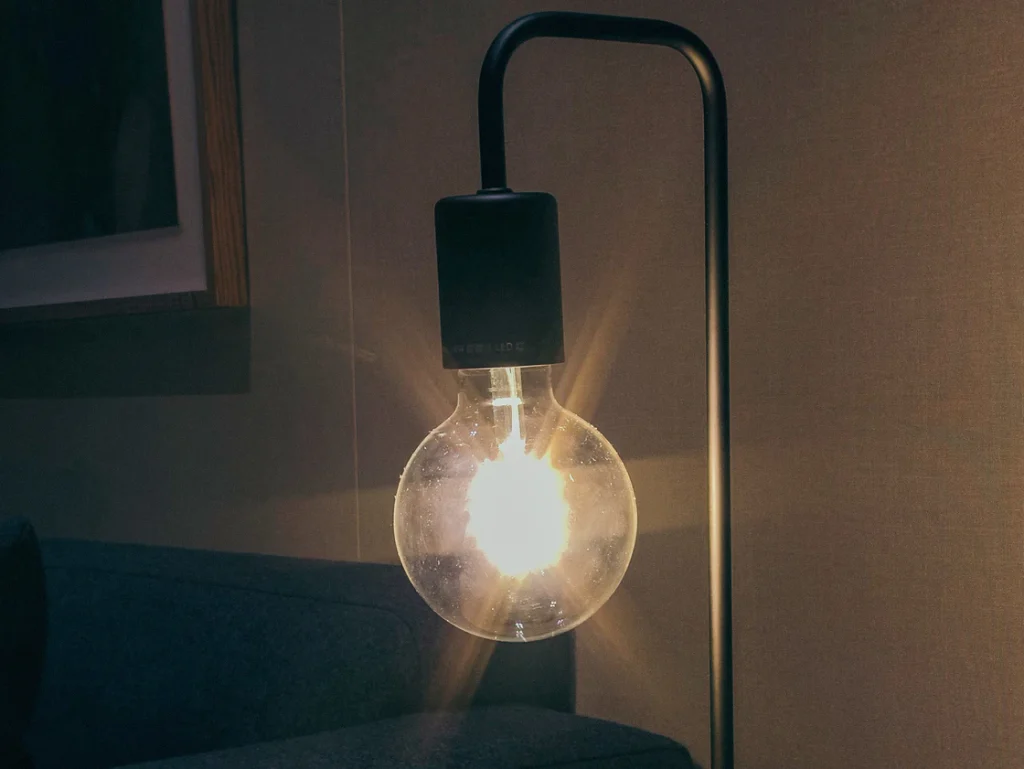
In terms of raw numbers, the difference between ƒ/1.48 and the previous generation’s ƒ/1.78 might seem negligible; however, based on aperture area calculations, the former theoretically allows for nearly 50% more light intake. In low-light conditions, this increased light intake enables shorter exposure times—reducing blur caused by hand shake or subject movement—or allows for lower ISO settings at comparable exposure times, resulting in cleaner night shots with less noise. When shooting close-up subjects, the wider aperture also produces more natural background and foreground blur.
Of course, due to the limited size of smartphone image sensors, the physical change in depth of field provided by ƒ/1.48 cannot match the dramatic effect seen on full-frame cameras, and edge sharpness at the maximum aperture may not be optimal. In practice, the iPhone 18 Pro’s main camera delivers peak sharpness at ƒ/2.8, followed by ƒ/1.8; while ƒ/4 suffers slightly from diffraction, the image at ƒ/1.48 is relatively soft, offering the lowest level of detail sharpness among the four aperture settings.
The ƒ/1.48 setting is best suited for low-light environments and close-up subjects; ƒ/1.8 strikes a balance between light intake and image quality, serving as the default setting for the camera app’s automatic mode; ƒ/2.8 generally yields superior clarity; and ƒ/4 helps keep subjects in both the front and back rows of a group photo in focus while also creating a starburst effect from point light sources.
Along with the variable aperture comes a set of brand-new camera tools. A row of customizable shortcut buttons now appears above the viewfinder in the camera app, allowing you to directly access and adjust settings while shooting; you can place up to eight parameter options there at once.
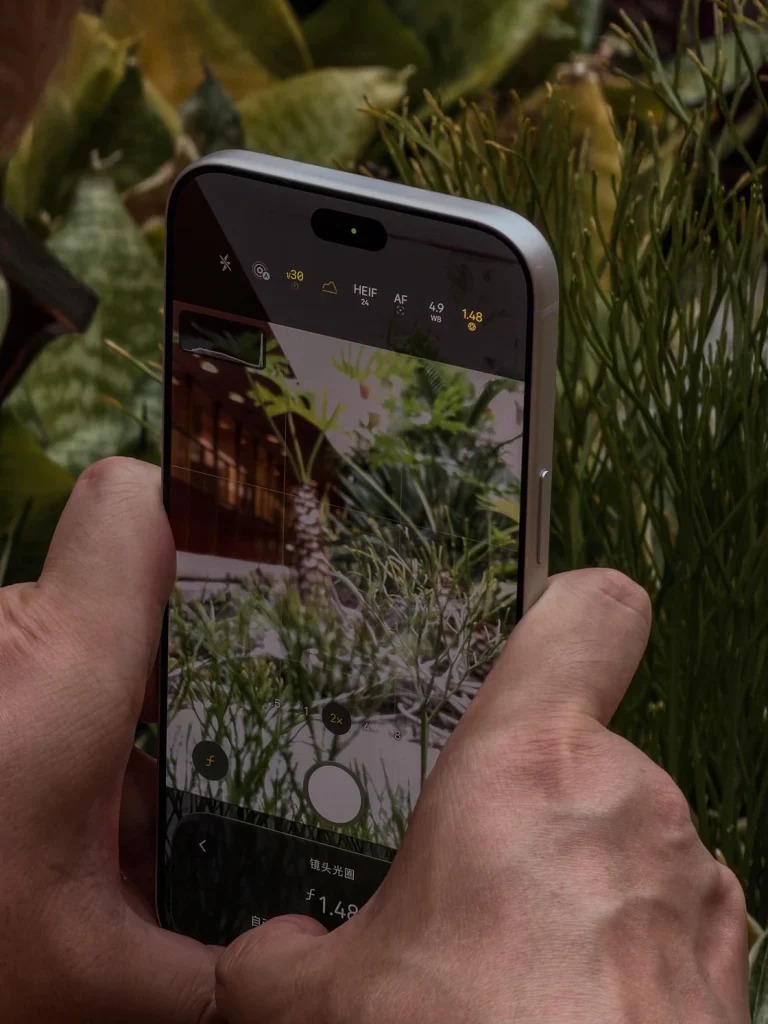
While the camera tools are a new feature available on both new and older models, the iPhone 18 Pro adds five exclusive capabilities: lens aperture, shutter speed, white balance, a histogram, and manual focus. The aperture control stems from an all-new variable aperture mechanism, while the other features represent manual controls and exposure aids—long-requested yet previously missing from the Camera app—that Apple collectively terms “Pro-level control options.”
Among these Pro-level options, alongside the aforementioned lens aperture, I find white balance and shutter speed to be the two most practical features. Previously, when shooting indoors under cool lighting, the white balance would often shift as the composition changed; now, I can adjust the white balance directly while shooting to minimize this issue, ensuring more consistent color rendering across a series of photos.
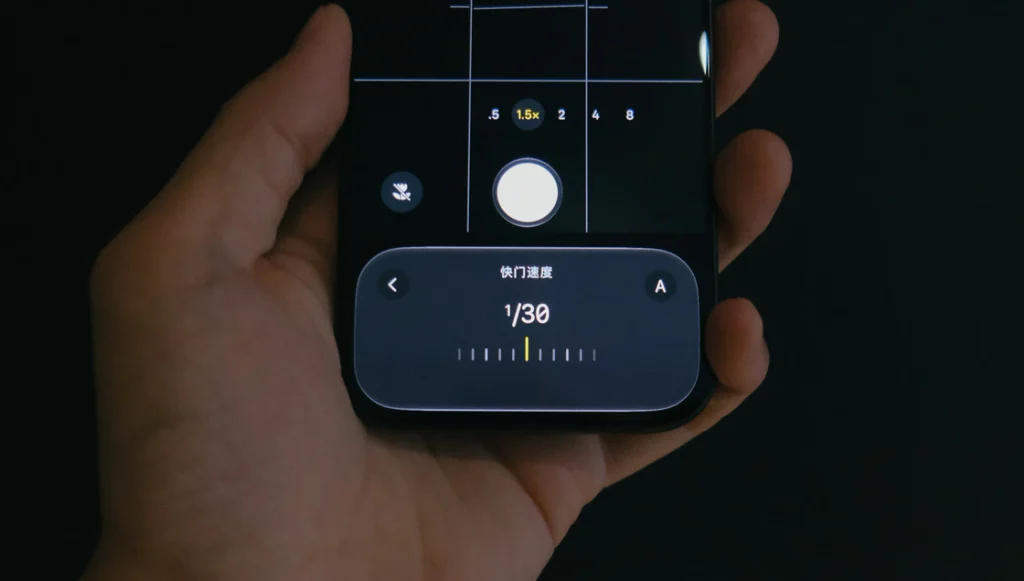
Shutter speed allows us to capture more interesting images: a faster speed can freeze a moment of action, rendering the subject with greater clarity, while a slower speed allows moving people or objects to leave behind motion trails, adding a distinct sense of fluidity to the shot.

However, after using these “Pro” controls for a while, I’ve found that they aren’t quite as convenient to operate as I had imagined. For one, the options are located at the very top of the viewfinder, making them hard to reach when shooting in portrait orientation. For another, manually adjusting settings takes time—yet mobile photography often relies on capturing the moment instantly. By the time you locate and tweak parameters like aperture or shutter speed, that fleeting shot is often already lost. It would be far more convenient if shutter speed, like variable aperture, offered a few preset values that could be toggled with a simple tap.
You might argue that these features have long been standard in third-party apps, so Apple is certainly late to the game by only just introducing them to the native Camera app. Still, we now have another option for capturing better, more interesting photos with an iPhone: while we can usually leave the settings to Auto mode, we have the freedom to take manual control in those specific scenarios where it’s needed.
While these Pro-level controls offer a more flexible and professional shooting experience, I believe that for the average user, the new “Photographic Styles” feature is actually the more useful imaging software upgrade this year.
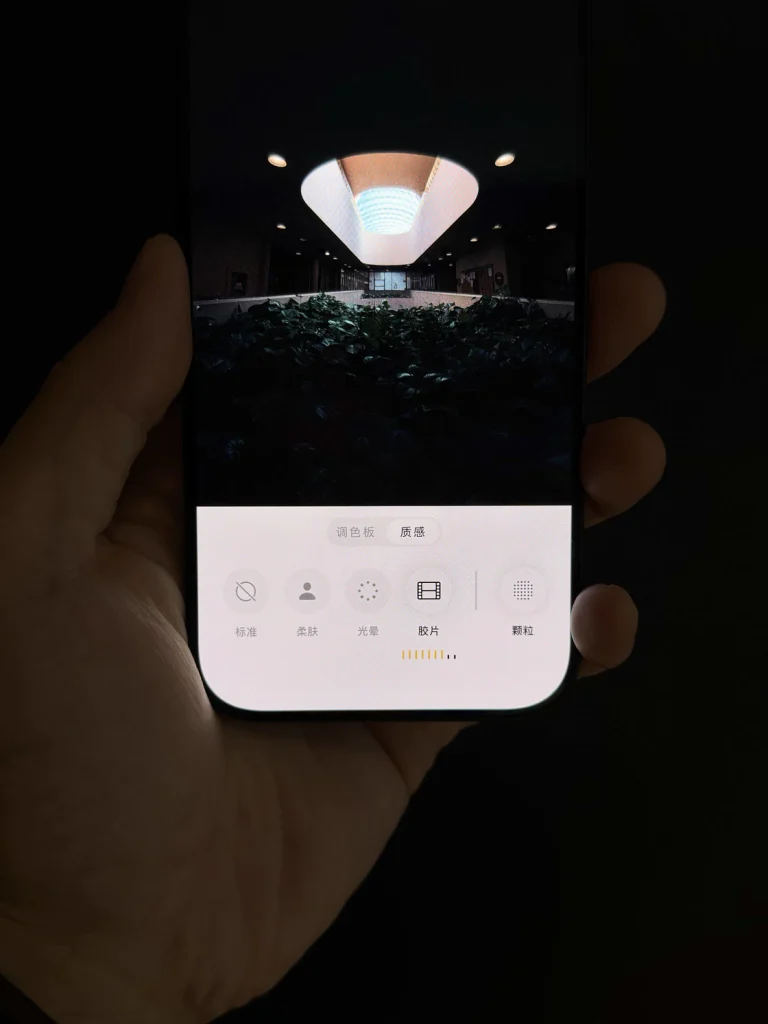
While previous photographic styles focused primarily on tone and color, Apple has introduced new controls for texture and grain on the iPhone 18 Pro. The “Texture” setting offers three distinct effects: “Soft Skin,” which subtly softens skin details; “Halo,” which softens highlights within the frame; and “Film,” which reduces the inherent over-sharpness of digital imagery and introduces a slight glow around high-contrast edges.

The intensity of each of the three texture styles can be adjusted individually, while the grain effect acts as a standalone toggle that can be layered over any of them. Unfortunately, the grain feature is currently limited to simple on/off settings—with no options to adjust size or intensity—which somewhat restricts its utility.
With the new generation of Photographic Styles, the iPhone 18 Pro arguably delivers the best-looking images of any iPhone to date. From shooting and editing to sharing, the entire workflow can be handled directly within the Camera and Photos apps, yielding impressive results. This eliminates the need to switch between third-party apps and saves users the hassle of learning how to use different tools.

The downside is that the iPhone 18 Pro retains Apple’s characteristically conservative charging strategy, maintaining high charging speeds only when the battery level is low. My tests show that once the battery reaches 30%, the charging power gradually drops below 30W. Consequently, while the peak charging power has increased, the total charging time remains largely unchanged; to actually experience that brief burst of high-power charging, you need a charger that supports the SPR AVS protocol.
Finally, let’s talk about eSIM. As expected, the iPhone 18 Pro supports eSIM, though with a twist. Like versions sold in other regions, it allows for two active numbers simultaneously—such as one physical SIM and one eSIM, or two eSIMs.
However, unlike versions that retain a single nano-SIM slot alongside eSIM support, the Chinese version of the iPhone 18 Pro keeps the dual physical SIM slot design. This means it can use two physical SIM cards just as before, while also storing up to two eSIM profiles on the device. In a sense, the iPhone 18 Pro achieves “four-SIM, dual-standby” capability: it can store up to four numbers, allowing you to choose two for active use.
A year after the launch of the iPhone Air, it is also encouraging to see progress in domestic eSIM services. China Unicom recently opened a limited number of slots for a trial of online eSIM activation; selected users can submit applications directly via the China Unicom app, eliminating the need to visit a service center in person.
Although only China Unicom has launched this small-scale trial so far, it is certainly a promising start. Hopefully, by the time the iPhone Duo hits the market, we will hear more good news regarding eSIM services. Conclusion
As rumored, Apple did not release a standard iPhone 18 this time, which simplifies the choice: if you want the most complete and familiar iPhone experience available today, go for the iPhone 18 Pro; if you want to try out a brand-new foldable form factor and novel software features, you can wait for the iPhone Duo.